The Alchemy of Nostalgia, Tragedy, and Reinvention
The Genesis: From Lizzy Grant to Lana Del Rey
Lana Del Rey, born Elizabeth Woolridge Grant on June 21, 1985, in New York, began her musical journey under her birth name, Lizzy Grant. Her early work, including the 2010 album Kill Kill (originally released as Sirens under 5 Points Records), hinted at her potential but failed to gain traction. It wasn’t until she reinvented herself—adopting the stage name Lana Del Rey and crafting a persona steeped in vintage Americana, melancholy glamour, and cinematic storytelling—that the world took notices
The turning point came in 2011 with the self-released single “Video Games.” The song’s haunting vocals, languid melody, and nostalgic music video—filled with grainy, home-movie-style footage of American iconography—went viral. It was a masterclass in sonic nostalgia, blending orchestral swells, hip-hop beats, and a voice that sounded like it belonged to a bygone era. The track’s success led to a major-label deal with Interscope Records and set the stage for her breakthrough album, Born to Die
The Breakthrough: Born to Die and the Birth of a Persona
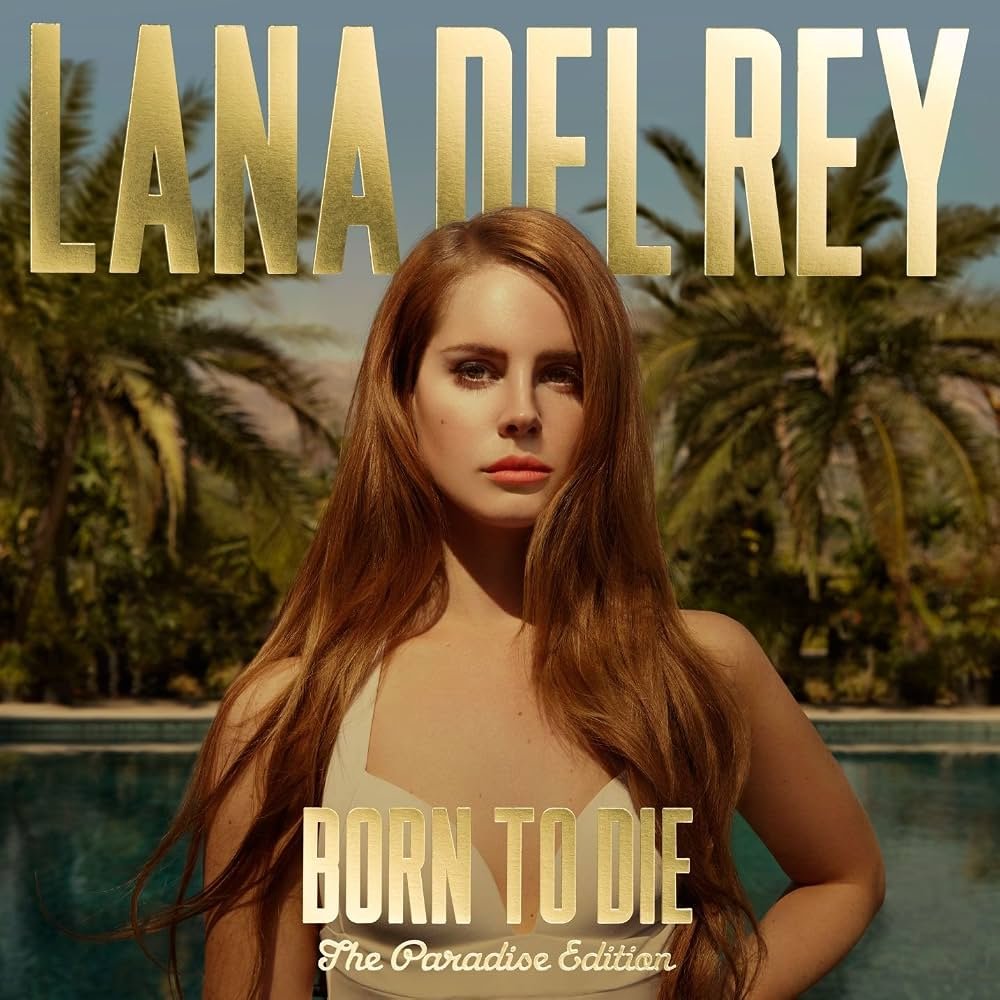
Released in January 2012, Born to Die was a cultural earthquake. The album fused hip-hop beats, orchestral arrangements, and indie pop sensibilities, creating a sound that was both modern and timeless. Tracks like “Born to Die,” “Blue Jeans,” and “Summertime Sadness” became anthems of a generation, defining a new aesthetic: “Sadcore”—a genre where beauty and despair coexist.
Lana’s persona—the tragic romantic, the gangster Nancy Sinatra, the doomed Hollywood starlet—was as meticulously crafted as her music. Her visuals drew from 1950s and 60s Americana, film noir, and classic Hollywood, evoking a sense of glamorous decay. The album’s themes—love, loss, fame, and the American Dream—were delivered with a poetic, often cinematic, intensity. Born to Die wasn’t just an album; it was an immersive experience, a world unto itself
The album’s success was immediate and enduring. It topped charts worldwide, earned critical acclaim, and established Lana as a visionary artist rather than just a pop star. Her 2013 Brit Award for International Female Solo Artist cemented her status as a global force in music
The Evolution: Ultraviolence and the Raw, Unfiltered Lana
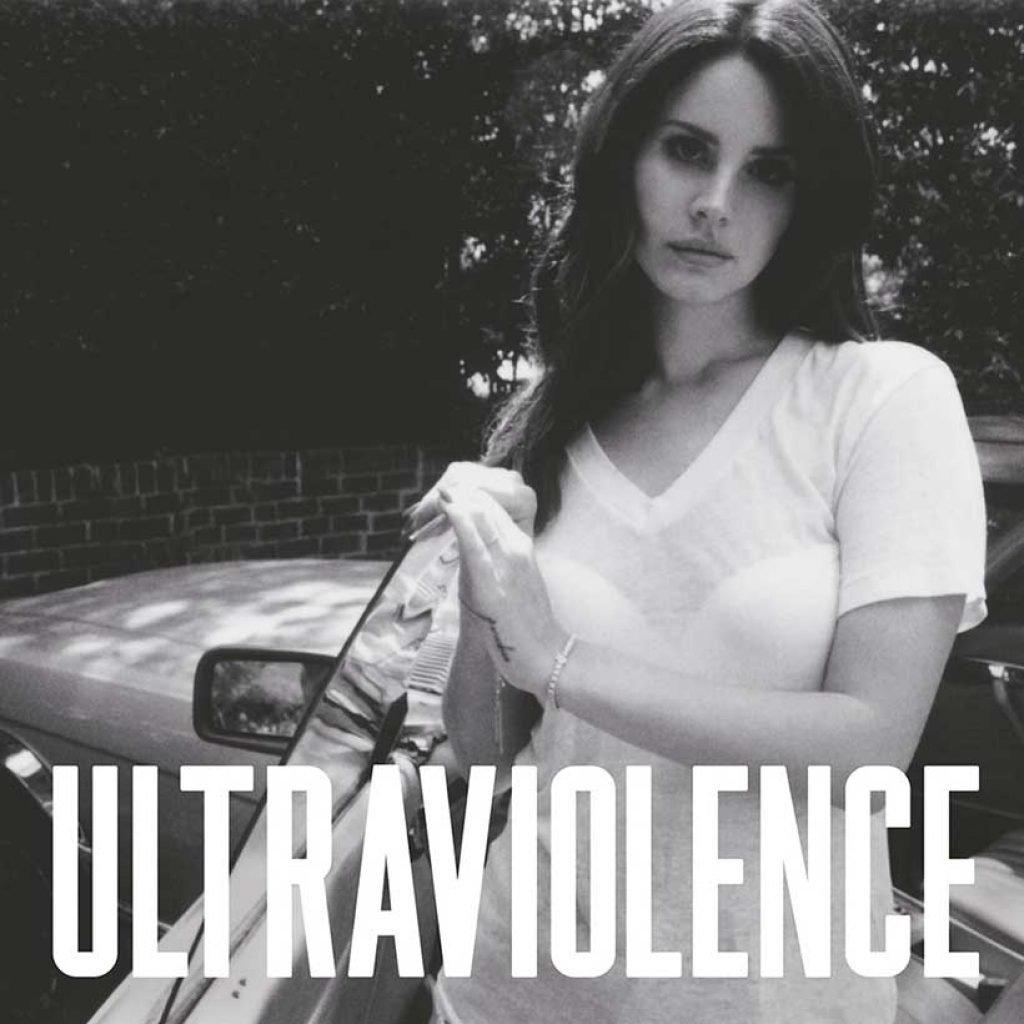
If Born to Die was a dreamy, cinematic introduction, Ultraviolence (2014) was its darker, rawer cousin. Produced by The Black Keys’ Dan Auerbach, the album stripped back the lush orchestration of her debut in favor of gritty, bluesy rock and haunting ballads. Tracks like “West Coast,” “Shades of Cool,” and “Black Beauty” showcased Lana’s ability to blend vulnerability with strength, her voice soaring over minimalist arrangements that felt both intimate and epic.
Ultraviolence was a critical darling, praised for its lyrical depth and emotional rawness. It marked a shift in Lana’s artistry—less about the persona, more about the pain and resilience beneath it. The album’s themes of toxic love, self-destruction, and redemption resonated deeply, further solidifying her reputation as one of the most authentic and compelling voices in modern music
The Masterpiece: Norman Fucking Rockwell! and Critical Acclaim
By 2019, Lana Del Rey had refined her craft to near-perfection with Norman Fucking Rockwell!. The album was a sonic and lyrical masterpiece, blending soft rock, folk, and orchestral pop with some of her most poetic and introspective songwriting to date. Tracks like “Venice Bitch,” “The Greatest,” and “Mariners Apartment Complex” were epic in scope, with 9-minute runtime ballads that felt like short films.
Norman Fucking Rockwell! was nominated for Album of the Year at the Grammys, a testament to its artistic ambition and cultural impact. The album’s nostalgic yet modern sound, combined with Lana’s unflinching honesty about love, fame, and the human condition, made it a defining work of the 2010s
The Experimental Phase: Chemtrails Over the Country Club and Blue Banisters
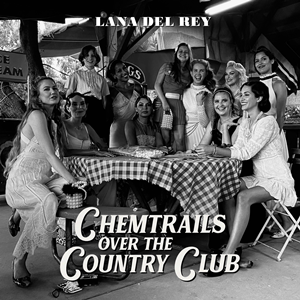
In 2021, Lana released not one but two albums: Chemtrails Over the Country Club and Blue Banisters. These projects marked a shift toward a more stripped-down, folk-inspired sound, with Lana embracing her roots in poetry and storytelling. Chemtrails was whimsical and introspective, featuring collaborations with Zella Day and Nikki Lane, while Blue Banisters was darker and more personal, with standout tracks like “Arcadia” and “Thunder”.
These albums showcased Lana’s versatility and willingness to experiment, proving that she was not content to rest on her laurels. Her lyrical themes—motherhood, family, love, and the search for meaning—took center stage, offering a more mature, reflective side of her artistry
The Return to Form: Did You Know That There’s a Tunnel Under Ocean Blvd
Released in 2023, Did You Know That There’s a Tunnel Under Ocean Blvd was a triumphant return to the lush, cinematic sound that defined her early work. The album was both a celebration and a reckoning, blending orchestral arrangements, hip-hop beats, and folk influences with Lana’s most personal and vulnerable lyrics yet.
Tracks like “A&W,” “The Grants,” and “Tulsa Jesus Freak” explored family, legacy, and the complexities of love and fame. The album was another Grammy-nominated effort, further cementing Lana’s status as a generational talent
The Reinvention: Stove and the Country Soul (2026)
In 2026, Lana Del Rey embarked on her most daring reinvention yet with Stove, her tenth studio album. Introduced by the acoustic, country-influenced single “Henry, Come On,” the album marked a shift toward a rootsy, Americana sound, drawing from folk, country, and blues while retaining her signature poetic lyricism and haunting vocals.
Stove is a testament to Lana’s artistic fearlessness. After years of exploring pop, rock, and hip-hop, she has returned to the raw, storytelling traditions of American music, all while maintaining the melancholic beauty and cinematic scope that define her work. The album’s lead singles—“Henry, Come On,” “Bluebird,” and “White Feather Hawk Tail Deer Hunter”—hint at a more organic, stripped-back sound, with Lana’s voice and lyrics taking center stage
The Artistry of Lana Del Rey: Themes and Legacy
Themes: The Lana Del Rey Universe
Lana Del Rey’s music is unified by a set of recurring themes that have defined her career:
- Nostalgia and Americana: Lana’s work is steeped in a love for vintage America—the 1950s and 60s, Hollywood’s golden age, and the romanticized idea of the American Dream. Her music often feels like a time capsule, blending modern production with retro aesthetics.
- Tragic Romance: Lana’s songs are filled with doomed love stories, often featuring tragic heroines, gangsters, and star-crossed lovers. Her lyrics explore the beauty and pain of love, often with a cinematic, almost Shakespearean intensity.
- Melancholy and Glamour: Lana’s music is both glamorous and deeply sad. She romanticizes despair, turning heartbreak and longing into something beautiful and poetic.
- Fame and Identity: Lana often grapples with the complexities of fame, exploring the duality of her public persona and private self. Tracks like “The Greatest” and “Norman Fucking Rockwell” reflect on the cost of celebrity and the search for authenticity.
- Spirituality and Redemption: In her later work, Lana has explored themes of spirituality, family, and redemption, particularly in albums like Chemtrails Over the Country Club and Did You Know That There’s a Tunnel Under Ocean Blvd.
Legacy: The Queen of Sadcore
Lana Del Rey’s influence on modern music and culture is immeasurable. She has pioneered a genre—often called “Sadcore”—that blends pop, rock, hip-hop, and folk with cinematic storytelling and emotional depth. Her aesthetic and persona have inspired countless artists, from Billie Eilish to Ethel Cain, and her lyrical and sonic innovations have redefined what it means to be a singer-songwriter in the 21st century.
With over 20 million albums sold worldwide, 11 Grammy nominations, and a cultural impact that transcends music, Lana Del Rey stands as one of the most important and influential artists of her generation. Her ability to reinvent herself while staying true to her core themes—nostalgia, tragedy, love, and the search for meaning—ensures that her art will continue to resonate for decades to come
Lana Del Rey’s journey is a testament to the power of artistic evolution. From her early days as Lizzy Grant to her reinvention as a cinematic pop icon, and now to her country-infused, poetic masterpiece Stove, she has consistently pushed the boundaries of what pop music can be. Her art is not just music—it’s a world, one that invites listeners to explore the depths of emotion, the beauty of nostalgia, and the complexity of the human experience. Lana Del Rey doesn’t just make albums; she creates universes.
Essential listenings
Born to Die (2012)
Ultraviolence (2014)
Honeymoon (2015)
Chemtrails Over the Country Club (2021)